
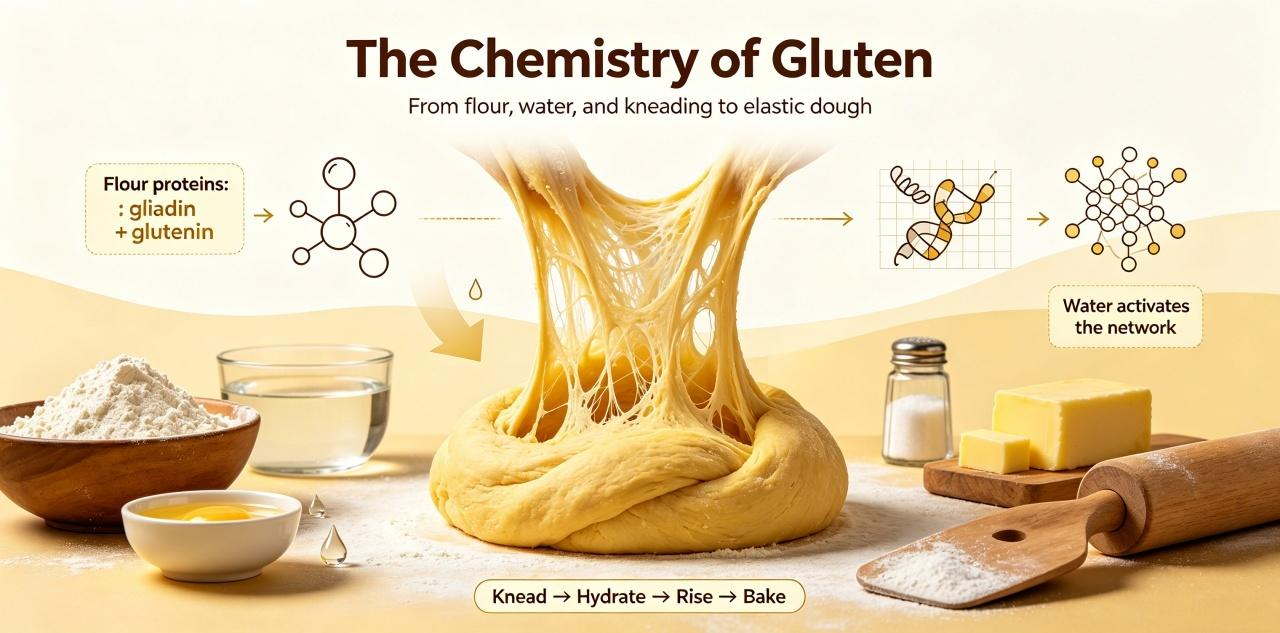
The Chemistry of Gluten – Why Kneading Matters
🔬 What Is Gluten, Really?
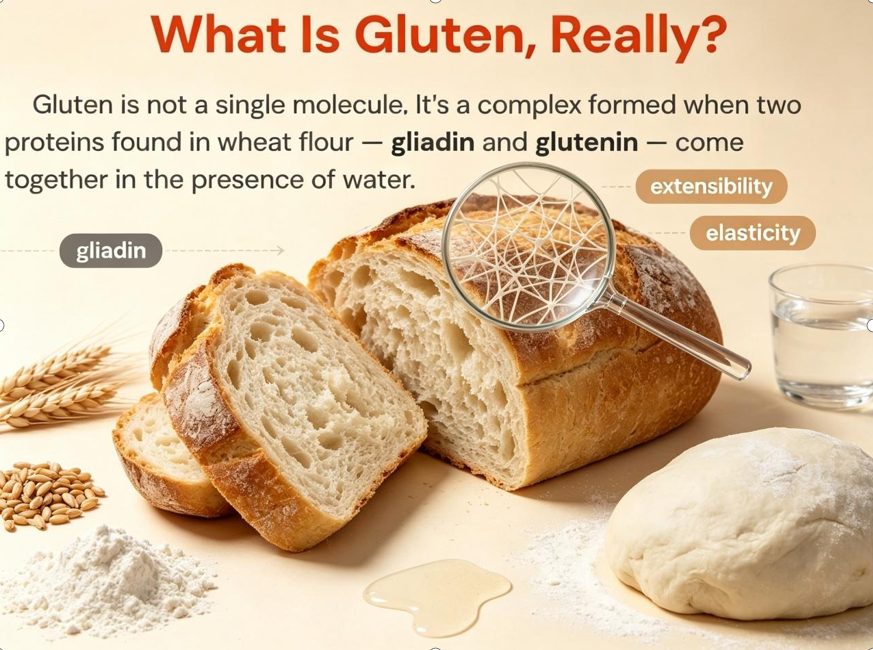
Gluten is not a single molecule. It’s a complex formed when two proteins found in wheat flour — gliadin and glutenin — come together in the presence of water.
Gliadin contributes extensibility (stretchiness).
Glutenin contributes elasticity (strength and springback).
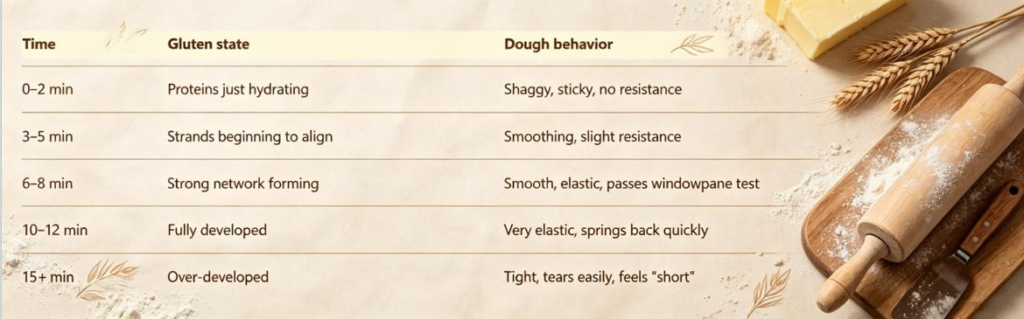
🥣 How Kneading Changes Gluten
🧊 Resting and Relaxation: The Autolyse Secret
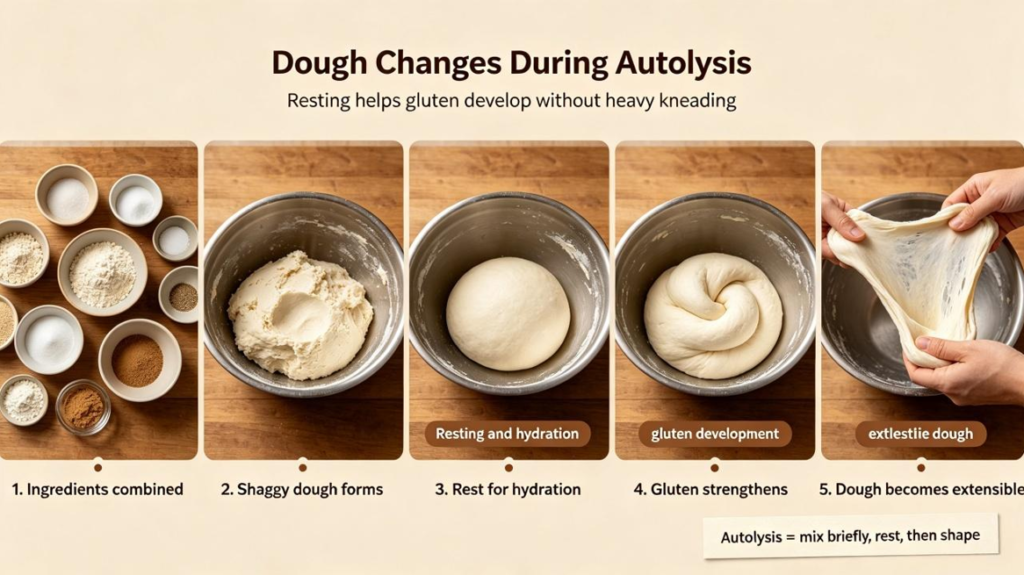
One of the most powerful techniques in professional baking is autolyse — mixing flour and water and letting it rest for 20–60 minutes before adding salt and yeast.
- Enzymes break down some starch into sugars (better flavor, better browning)
- Gluten bonds form passively, without kneading
- Dough becomes more extensible and less elastic
This means you can reduce active kneading time by 2–3 minutes while getting a silkier, more forgiving dough.
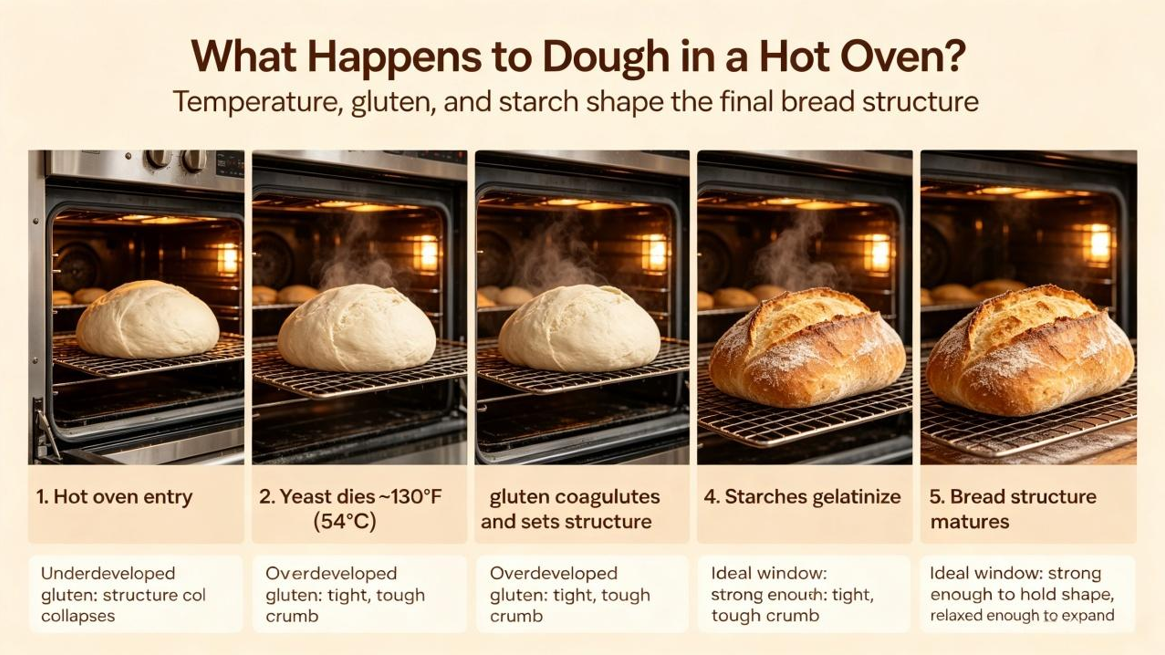
🔥 Heat: What Happens to Gluten in the Oven
When dough enters a hot oven (400–500°F / 200–260°C), several things happen rapidly:
- Yeast dies at about 130°F (54°C), stopping gas production.
- Gluten coagulates (sets) at about 165°F (74°C), locking in the final structure.
- Starches gelatinize, absorbing water and contributing to crumb softness.
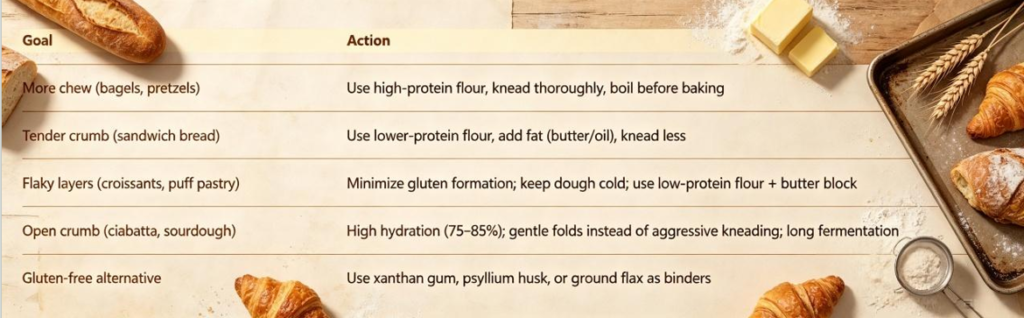
🛠️ Practical Ways to Control Gluten
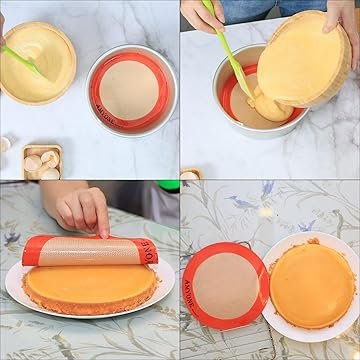
How Your Baking Mat Helps
Baker’s trick: Before kneading high‑hydration dough, place your silicone mat in the refrigerator for 10 minutes. The cold surface keeps the dough from overheating and gives you a wider window before gluten tightens up.
- Stays cooler than a metal or wooden countertop
- Provides a non‑stick surface so you don’t need excess flour (which dries dough and disrupts gluten)
- Cleans up instantly — no scraping dried dough off the counter
💡 The Bottom Line
Make every batch consistent. Our non‑stick silicone baking mat stays flat, stays cool, and gives you the perfect surface for developing gluten without sticking. Shop now →